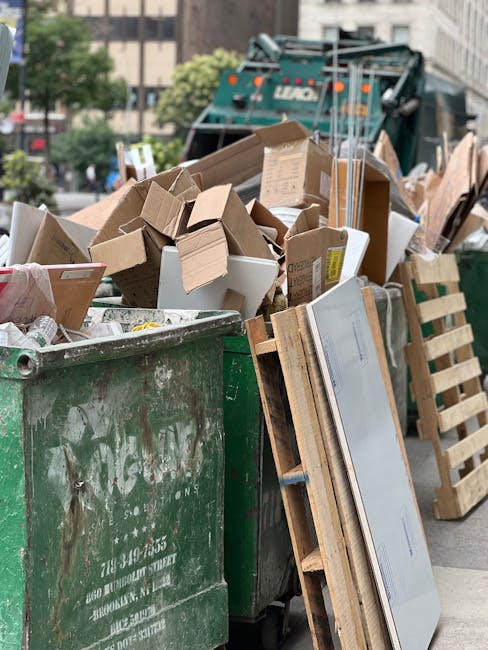
New Bond Street bulky rubbish pickup options for Mayfair shops
If you run a shop on or near New Bond Street, you already know the awkward part: bulky waste never arrives at a convenient time. A display stand breaks after a delivery. Old shelving has to go before a refit. Cardboard, packaging, broken furniture, stock-room odds and ends, and the occasional heavy item all start piling up at the exact moment you are busiest. That is where New Bond Street bulky rubbish pickup options for Mayfair shops become more than a tidy-up job; they are part of keeping the business moving.
This guide walks through the practical choices available to Mayfair retailers, what works best in different situations, and how to avoid the small mistakes that can turn a simple pickup into a headache. You will also find a clear checklist, a comparison table, and a few grounded tips based on the realities of central London shop operations. Nothing fancy. Just the useful stuff.
Why New Bond Street bulky rubbish pickup options for Mayfair shops Matters
In a place like Mayfair, space is precious. Back areas are often small, service access can be tight, and the public-facing side of the business has to look immaculate from open to close. A pile of broken gondola units or a tired sofa in the stock room is not just inconvenient. It affects workflow, staff morale, presentation, and sometimes safety. One messy corner has a habit of becoming three. Funny how that happens.
For shops on New Bond Street, bulky waste also carries a reputational risk. Customers notice bins left in the wrong place. Delivery drivers notice obstacles. Staff notice whether they can move freely between stock, packaging, and till points. Even a short-term build-up can make a polished retail environment feel cramped and tired.
There is also the practical side of trading in central London. Access windows can be narrow. Parking is limited. Loading time matters. That means the best bulky rubbish pickup is rarely the cheapest-looking option on paper; it is the one that fits the street, the building, and the shop's trading pattern without creating chaos.
When done well, a pickup is quiet, fast, and almost invisible to customers. That is the goal. Out of sight, out of mind, and back to business.
Expert summary: the best bulky rubbish pickup for a Mayfair shop is the one that balances speed, discretion, access constraints, and proper disposal. If any of those four is ignored, the job usually gets harder than it needs to be.
How New Bond Street bulky rubbish pickup options for Mayfair shops Works
Most Mayfair shops use one of a few straightforward approaches: a scheduled commercial waste collection, a one-off bulky item clearance, a rapid same-day uplift where available, or a mixed waste removal visit that handles several item types at once. The right choice depends on what needs removing, how much there is, and how quickly it must go.
For a single item, such as a damaged display cabinet or one old fridge from the back office, a direct removal visit can be the cleanest route. For a bigger shop refit, the job may involve a combination of bulky waste collection, furniture clearance, and general waste removal. If you are clearing a stock room after a design refresh, you may also need support similar to furniture clearance or office clearance if the space includes admin areas, desks, chairs, and filing units.
In practical terms, the process usually looks like this:
- You identify what needs removing and separate bulky items from everyday rubbish.
- You check access points, loading restrictions, and timing around opening hours.
- You request a quote or book a pickup slot.
- The team arrives, assesses the load, and removes the agreed items.
- The waste is sorted for reuse, recycling, or disposal depending on type and condition.
That sounds simple, and most of the time it is. The detail matters, though. A shop on a tight street might need early-morning uplift. A store with no lift may need careful handling for heavy items. A basement stock room may need a different plan from a front-of-house display area. A good pickup service works around those realities instead of pretending they do not exist.
If your bulky waste includes broken appliances, it helps to plan separately for specialised handling such as fridge and appliance removal. If there is any unclear or potentially problematic material, it is better to flag it early rather than have it discovered halfway through collection. That is where the day gets awkward, and nobody needs that.
Key Benefits and Practical Advantages
The obvious benefit is a cleaner shop. But the real value goes further than that.
- Better use of space: clearing old fixtures and bulky packaging frees up stock space, prep areas, and back-of-house movement.
- Improved presentation: shops on New Bond Street live and die by presentation. Removing clutter helps keep standards high.
- Safer working conditions: fewer trip hazards, fewer blocked pathways, and less chance of staff injuring themselves while moving stock.
- Faster refits and resets: when bulky waste is cleared promptly, visual merchandising and store changes can happen without delay.
- Less staff strain: heavy lifting is tiring and, to be fair, often done badly when people try to manage it themselves.
- Better recycling outcomes: a proper collection route can keep reusable or recyclable items out of general waste.
- More predictable operations: booked removals are easier to plan around than ad hoc dumping or half-finished clear-outs.
There is also a less obvious benefit: peace of mind. When the waste is handled properly, managers do not have to chase a dozen small problems in the middle of a trading week. That alone is worth something. Probably more than most people admit.
If sustainability is part of your shop's brand, then using a service with a clear recycling approach is especially useful. You can explore the general approach to responsible disposal through recycling and sustainability, which fits well with modern retail expectations.
Who This Is For and When It Makes Sense
These pickup options are not just for full shop closures. In fact, most of the demand comes from routine commercial life.
You are likely to need bulky rubbish pickup if you are:
- refreshing window displays and removing damaged stands
- replacing shelving, counters, or stockroom fixtures
- clearing away packaging from a large delivery
- closing or downsizing a retail unit
- handling post-refit waste after contractors have left
- moving out old chairs, desks, cabinets, or office bits from a shop office
- dealing with one-off items that are too large for standard collections
This is also useful for businesses that are not technically retail-led but sit behind a shopfront operation: boutiques with upstairs offices, jewellers with workshop storage, or beauty and lifestyle stores with treatment rooms. The waste may look modest at first, then suddenly the room is full. You know the moment. One day there is enough space to stretch, next day there is a stack of broken fittings and nobody can open the cupboard door.
There are times when a more specific service is a better fit. For example, if the items are mostly office-related, office clearance may be the better route. If they are mainly large pieces of furniture, then furniture disposal can be more direct. Matching the service to the waste type makes the process smoother and usually avoids unnecessary delay.
Step-by-Step Guidance
Here is a practical way to handle bulky rubbish pickup without turning your working week upside down.
1. Walk the site properly
Do a full sweep of front and back areas. Check under counters, in storage cupboards, basements, and any rear holding space. Small things get missed easily. A broken stool behind a rack can hide for weeks, then show up right when you think you are done.
2. Separate the waste types
Keep furniture, fixtures, appliances, packaging, and general waste apart where possible. This makes pricing clearer and makes it easier to plan for special items like appliances, mattresses, or confidential material.
3. Measure the access points
Doors, stairwells, lifts, and loading spaces all matter. Measure them if the item is large or awkward. A bulky cabinet that looks simple on the floor can be a nightmare on a stair turn. Trust me, the turn always feels tighter than you remember.
4. Check timing around trade hours
For New Bond Street and the wider Mayfair area, timing is not a side issue. Early morning and quieter windows tend to be easiest. A pickup that lands during customer rush hour can create noise, congestion, and avoidable stress.
5. Ask what happens to the waste
A reputable provider should be able to explain whether items will be reused, recycled, or disposed of. You do not need a lecture. Just a clear answer. If a provider sounds vague at this stage, that is useful information in itself.
6. Confirm the booking details
Make sure the collection scope is agreed, including what is included and what is not. That helps avoid surprises on the day. Nobody likes the awkward "we thought that item was included" conversation at the kerbside.
7. Clear a working path beforehand
Even if the team does the lifting, it helps if the route to the waste is clear. Move small items, unlock access, and keep the path open. It saves time and reduces handling risk.
Expert Tips for Better Results
Over time, a few habits make bulky rubbish pickups much less painful.
- Book before the pressure builds: do not wait until the stock room is completely blocked. That is when everything becomes urgent, expensive, and somehow louder.
- Bundle waste by category: group similar items together so you can describe the load accurately.
- Photograph awkward items: a few quick pictures can help with quoting and access planning.
- Keep one point of contact: one manager, one clear instruction, one confirmation. It reduces crossed wires.
- Plan for trading noise: if the pickup involves moving heavy items through the shopfront, think about customer experience and staff briefing.
- Ask about mixed loads: if your rubbish includes a bit of everything, a flexible commercial waste solution is often easier than splitting it into multiple jobs.
One small but useful tip: do not assume a bulky item is too old to be reused. Some items can be directed towards reuse or separated for recycling if they are still in decent condition. That is not always possible, of course, but it is worth asking.
And if your shop has a refurbishment coming up, it may be worth combining the clearance with builders waste clearance so the whole project gets tidied up in one go. Less back-and-forth. Less mess. Very tidy, very nice.
Common Mistakes to Avoid
Most pickup problems are not dramatic. They are small oversights that stack up.
- Leaving bulky waste until closing day: this creates panic and can force a rushed booking.
- Not checking access in advance: a large item may fit on paper but fail at the doorway, lift, or staircase.
- Mixing restricted or specialist items with general waste: if an item needs special handling, flag it early.
- Underestimating how much there is: one display unit often turns into two chairs, three shelves, and a pile of packaging.
- Ignoring staff safety: heavy lifting and narrow corridors are a bad combination when people are rushing.
- Choosing purely on speed: speed matters, but only if the pickup is also properly managed and compliant.
The most common mistake, honestly, is treating bulky rubbish like a trivial side job. It rarely stays trivial. Once it blocks a route or compromises the shop floor, it becomes a trading issue, not just a waste issue.
Tools, Resources and Recommendations
You do not need a huge toolkit for this, but a few simple things help.
- Tape measure: useful for checking item dimensions and access widths.
- Marker labels: good for separating items by removal priority.
- Camera or phone photos: handy for quoting and internal sign-off.
- Basic inventory list: especially useful for multi-item clearances or post-refit jobs.
- Staff briefing note: a short written note can prevent confusion on the day.
If the pickup forms part of a wider waste plan, it can help to review your general approach to business waste removal. That gives you a clearer picture of what is collected routinely and what should be booked as a separate bulky job.
For businesses comparing services or trying to manage a larger changeover, pricing clarity matters. A transparent discussion about load size, access, and item type is much more useful than a vague headline price. You can review the general approach at pricing and quotes. It keeps expectations sensible, which is always a good thing.
Law, Compliance, Standards, or Best Practice
For Mayfair shops, the main compliance concern is usually not the item itself but how it is handled, stored, moved, and transferred. Commercial waste must be managed responsibly, and businesses should be comfortable that their chosen provider follows proper duty-of-care practices. In plain English, that means your waste should not disappear into a grey area.
It is sensible to look for a provider that can explain its safety procedures, handling standards, and disposal approach. If the job involves heavy lifting, narrow access, or shared building entrances, safety planning matters even more. You do not want damaged walls, damaged goods, or damaged staff. That part is fairly obvious, but still worth saying.
For specialised waste, different standards of care apply. Refrigeration units, for example, need separate handling from standard furniture. Sharp debris, broken glass, or anything potentially hazardous should be flagged before the pickup. If you are dealing with that kind of material, see hazardous waste disposal for the type of care that may be relevant.
It is also worth checking practical safeguards such as insurance, operational safety, payment security, and complaints handling. Those may sound like back-office details, but they matter when you are inviting someone into a high-value retail environment. A good operator should be comfortable pointing you to its insurance and safety approach and its payment and security information.
Options, Methods, or Comparison Table
Different bulky rubbish pickup options suit different shop scenarios. The right one depends on the volume, item type, and how quickly you need the area clear.
| Option | Best for | Strengths | Limitations |
|---|---|---|---|
| One-off bulky item pickup | A few large items or a single awkward object | Fast, simple, easy to arrange | Less efficient for larger mixed loads |
| Mixed commercial waste removal | Shop clear-outs, fit-outs, stock-room resets | Flexible and practical for several waste types | Needs clearer description of the load |
| Furniture-focused clearance | Display units, counters, seating, shelving | Well suited to retail interiors | May not cover all general waste |
| Office clearance | Back offices, paperwork areas, admin furniture | Good for workspaces attached to shops | Not ideal if most items are retail fixtures |
| Refit-related builders clearance | Debris after shop works or minor refurbishments | Useful after contractor activity | Needs clear separation from non-building waste |
As a rule, if the waste is mostly retail furniture and display pieces, a furniture-based route may be the cleanest. If the load is mixed and time-sensitive, broader waste removal is often easier. If you are doing a store refresh, match the method to the project rather than forcing everything into one category. It saves time later.
Case Study or Real-World Example
A typical Mayfair shop scenario goes like this. A boutique decides to refresh its interior after a new seasonal range arrives. The team needs to remove two old display tables, a set of worn chairs from the fitting area, several damaged storage crates, and a stack of packaging from the new install. There is also a small office area upstairs with an unwanted filing cabinet.
At first, it looks like four separate jobs. In practice, it is one organised pickup with a few item categories. The manager walks the space before opening, photographs the bulky pieces, and checks the stairwell width. The team books a collection for early morning, keeping customer disruption low. The items are removed, the path is cleared, and the shop opens with a cleaner floor and a calmer stock room.
What made the difference was not luck. It was planning. The manager grouped the waste sensibly, confirmed access, and did not wait until the day before the seasonal launch. Simple, but effective. That is usually how the best jobs work.
Practical Checklist
Use this checklist before booking a pickup for bulky waste on New Bond Street.
- List every bulky item that needs removing.
- Separate furniture, fixtures, appliances, and general waste.
- Check doors, lifts, stairs, and loading access.
- Confirm whether the pickup must happen before opening or after close.
- Ask if any items need special handling.
- Take photos of large or awkward pieces.
- Clear the route from the item to the exit.
- Tell staff who is responsible for access on the day.
- Confirm what is included in the booking.
- Keep paperwork or internal notes for your records.
If the items include confidential material or paperwork, do not mix them in with ordinary waste. Use a separate secure route such as confidential shredding where needed. Easy mistake to avoid, thankfully.
Conclusion
For Mayfair retailers, bulky rubbish is not just an afterthought. It affects how your shop looks, how your team works, and how smoothly you can trade. The best New Bond Street bulky rubbish pickup options for Mayfair shops are the ones that fit the pace of the street, respect access limits, and handle waste responsibly without getting in the way of customers or staff.
Whether you need a one-off uplift, a furniture-focused clearance, or a wider commercial waste solution, the smart move is the same: plan early, describe the load clearly, and choose the option that makes the least fuss on the day. A tidy shop feels better to work in. Customers sense that, even if they never say it out loud.
Get a free quote today and see how much you can save.
And if you are weighing up your next move, start with the pieces that are slowing you down most. Clear those first. The rest usually gets easier from there.
Frequently Asked Questions
What counts as bulky rubbish for a Mayfair shop?
Bulky rubbish usually means items too large, heavy, or awkward for standard daily waste collections. For shops, that can include display units, shelving, counters, chairs, packaging pallets, broken fixtures, and some appliances.
Can bulky items be collected before the shop opens?
Yes, that is often the best option for central London retail spaces. Early collection helps reduce customer disruption and makes it easier to manage access on a busy street.
Is furniture removed separately from general waste?
Often, yes. Furniture can sometimes be handled as part of a wider clearance, but separating it in advance usually helps with quoting and planning. It also makes the process smoother on the day.
What if the waste includes an old fridge or appliance?
Appliances should be flagged separately because they often need specialist handling. A service such as fridge and appliance removal is usually more appropriate than standard mixed waste.
How far in advance should a shop book a pickup?
As early as possible, especially if you need a specific time window. For routine clear-outs, a short lead time may be enough, but for refits or larger jobs, more notice is sensible.
Can bulky rubbish pickup be combined with a shop refit clearance?
Yes, and that is often the neatest approach. Combining the jobs can reduce disruption and avoid having multiple visits for similar waste.
What should I do before the collection team arrives?
Clear a route, separate the items, unlock access points, and make sure the agreed waste is ready. A few minutes of preparation can save a lot of time later.
Are there items that need special care or cannot be mixed in?
Yes. Hazardous or sensitive materials should be separated and declared in advance. If you are unsure, it is always better to ask before the pickup rather than on the pavement.
How do I choose between bulky pickup options?
Start with the waste type, then think about access, timing, and volume. A single item may need a simple uplift, while a mixed load from a refit may suit a broader commercial waste removal service.
Why does access matter so much in Mayfair?
Because access affects speed, safety, and cost. Narrow entrances, stairwells, loading restrictions, and busy pavements all shape what is practical. In central London, the route to the waste is often as important as the waste itself.
Can a shop use the same service for office and retail waste?
Sometimes, yes. If the shop has an upstairs office or back-office space, a mixed approach can work well. For predominantly desk-based items, office clearance may be the better fit.
What if I am not sure how much needs removing?
Take photos, make a rough list, and include any awkward items. Even a loose inventory helps the provider estimate the job more accurately and keeps the booking realistic.
If you want to learn more about the business behind the service, you can also review about us or use the contact us page when you are ready to ask about your specific pickup. For peace of mind on how personal information is handled, the privacy policy and terms and conditions are there as well.